

Custom Cellular and Honeycomb Shades in Boston, MA — Energy Efficiency and Style
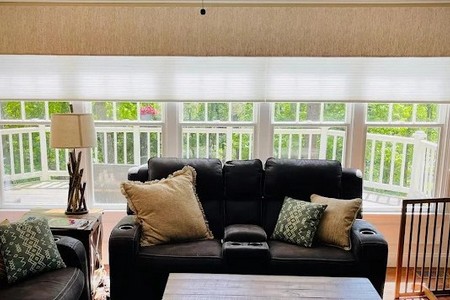
Boston homes face blazing summer sun, salty coastal air, and winter drafts that creep through even well-loved brownstones. That is why homeowners across Back Bay, Beacon Hill, South End, and Jamaica Plain turn to cellular, often called honeycomb, shades. These fabric cells trap air to help insulate your windows, soften street noise, and tame glare without sacrificing style.
If you want a window treatment that feels custom and performs year-round, consider honeycomb shades tailored to your rooms and your light. With the right fabric opacity and control style, they brighten kitchens, darken bedrooms, and add a warm, finished look to living spaces.
Why Cellular and Honeycomb Shades Work in Boston Homes
Our climate swings from humid August days to nor’easter winds in February. Honeycomb shades help buffer those extremes. Their pockets create a thin air barrier that reduces heat gain in summer and heat loss in winter. That means cozier rooms and fewer hotspots, especially on sunny exposures in the Seaport or high-floor condos in Downtown Crossing.
Privacy is another win. You can filter daylight for living areas that face busy streets in Charlestown or Roslindale while keeping a soft view out. For nurseries and bedrooms, room-darkening fabrics block more light for better sleep.
Energy Efficiency You Can Feel All Year
The structure of a cellular shade matters. Single-cell fabrics are thin and sleek. Double- and triple-cell options add more layers of air, which can feel noticeably warmer on winter nights near older windows. Tight side fit and careful mounting also help reduce drafts along the glass.
- Daylight control: top-down options let you bring in skylight while keeping street-level privacy.
- Temperature balance: cellular pockets slow heat transfer for steadier room comfort.
- Glare reduction: ideal for home offices and south-facing living rooms.
- Sound softening: fabric cells and liners help quiet city noise.
Professional measuring is worth it for bay windows and arches, which are common in Boston’s triple-deckers and historic rowhouses. A precise fit improves performance and keeps lines clean.
Design Choices: Fabrics, Opacities, and Controls
Cellular shades come in light-filtering, room-darkening, and opaque options. Kitchens in South Boston often benefit from light-filtering fabrics that glow without showing silhouettes. For media rooms or night-shift schedules, room-darkening liners help block more light so you can rest during the day.
Control choices include cordless lifts, continuous-loop, and motorization. Choose cordless or motorized controls if you have kids or pets to keep cords out of reach and the look streamlined. Top-down bottom-up adds flexibility for street-facing windows where privacy and daylight both matter.
Made for Boston Architecture
From Beacon Hill bay windows to airy lofts in the Leather District, cellular shades adapt to tricky openings. Inside mounts preserve moldings in historic homes, while outside mounts can help cover small light gaps or unusual casings. For narrow frames or tilt-in windows found in many older buildings, your consultant will recommend a bracket and headrail combination that preserves function and fit.
If you love soft texture, pairing cellulars with fabric treatments can elevate the look. Layering with tailored roman shades adds depth and frames the window without clutter.
Light, Privacy, and Noise Control for City Living
On busy streets, privacy by day and night is a top concern. Light-filtering fabrics obscure views in, while evening privacy improves with room-darkening choices or dual shades. Cellulars also soften high-frequency noise and echo in rooms with hard floors or tall ceilings.
For street-facing windows, top-down bottom-up gives you a clear slice of sky while blocking line-of-sight from sidewalks. It is a smart choice in South End condos and first-floor apartments in Allston and Brighton.
Smart Home and Motorization
Motorized cellular shades add comfort during long winter nights and early summer sunrises. Set groups or scenes to open bedrooms mid-morning and lower living room shades at sunset. This keeps rooms comfortable and helps protect floors and furnishings from UV exposure.
Automation is also handy for hard-to-reach skylights or stairwells. Schedules can be adjusted seasonally so your home stays bright when you want light and shaded when you do not.
Care and Longevity
Quality cellular fabrics are durable and hold their pleats when handled properly. Avoid harsh cleaners; gentle maintenance is usually safest to preserve color and texture. If a shade sees lots of use, periodic checks help ensure controls lift evenly and the fabric hangs true.
Bathrooms or kitchens that face the harbor may benefit from fabrics designed to handle humidity. Ask your consultant to recommend a construction that resists moisture and is easy to keep looking fresh.
When Honeycomb Shades Aren’t the Only Answer
For rooms with powerful afternoon sun, cellular shades pair nicely with solar or roller treatments in adjacent spaces where you want a crisp, modern look. If you want a natural, textured style in dining rooms or dens, woven woods create warmth while cellulars elsewhere keep things efficient.
- Prefer clean lines and strong glare control? Consider solar or roller fabrics in bright, open areas.
- Want layered softness? Combine cellulars with lightweight drapery panels or romans.
For curb appeal, homeowners sometimes add exterior accents along with inside treatments. Learn what suits your façade best in this short exterior shutters article, then match your interior shades for a cohesive style.
Local Examples That Make Sense
Picture a brownstone in Back Bay with street-level windows. A top-down cellular in the living room keeps morning light without exposing your sofa to passersby. Upstairs bedrooms use room-darkening to block late-night streetlights and early summer sun.
In a South Boston condo facing the harbor, cellulars in a double-cell fabric soften glare and help the HVAC work steadier during temperature swings. A quiet motor lets you drop all shades before you leave, protecting finishes from UV while keeping rooms cool.
Comparing Cellulars to Other Popular Options
Every room has a job to do. Cellulars shine when you need insulation, privacy, and a tailored look. Roller styles feel modern and crisp in kitchens and home offices. If you like natural materials, woven woods add texture and pair well with cellulars in adjacent rooms to balance light and privacy.
For quick reading and natural light together, many Boston homeowners mix treatments across floors. Living areas get light-filtering cellulars, bedrooms use room-darkening, and bright sunrooms may lean on solar fabrics to manage glare while keeping the view.
Work With a Local Team You Can Trust
Stacey's Home Decor specializes in measuring, specifying, and installing window treatments that fit New England homes. To explore fabric swatches and control options in person, schedule a visit and tell us how you use each room. You can also see related categories while you research, including our overview of honeycomb shades along with other styles.
If layered looks inspire you, compare textures and trims in our gallery pages and service sections. You will find solutions that complement cellulars, like streamlined rollers or softly folded romans, so your whole home feels coordinated from entry to top floor.
Ready For Cozy Windows All Year?
Let’s plan shades that look great and feel even better in winter and summer. Call Stacey's Home Decor at 781-595-0097 to set up your in-home consultation. For a quick overview of options and scheduling, start with honeycomb shades and see how the process works step by step.
Want an at-a-glance look at everything we do? Explore custom cellular and honeycomb shades in Boston, MA to learn about styles, controls, and design support across our full service lineup.